By Dr. Maryam Zamani
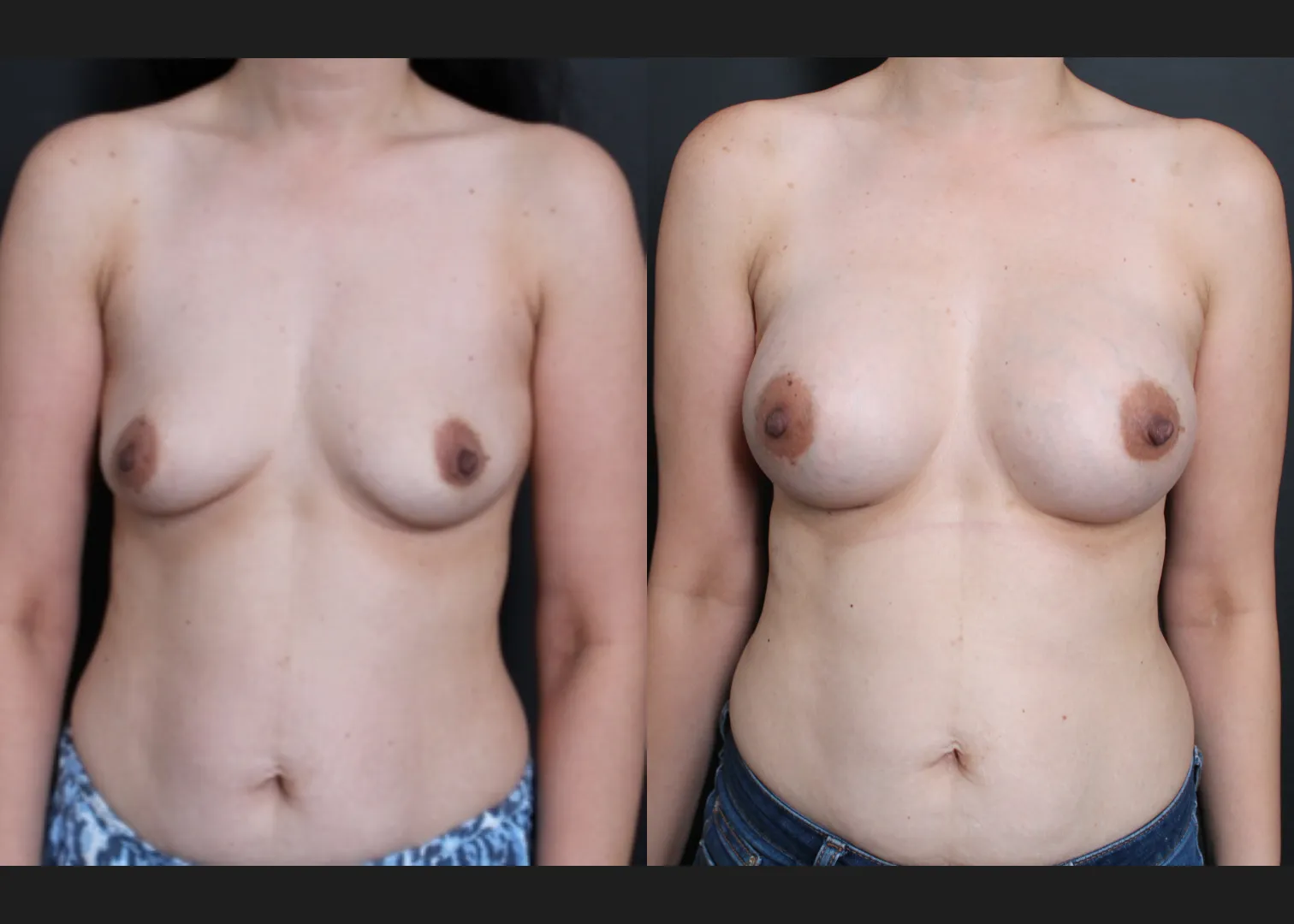
Your workouts are part of who you are, not just something you do. There comes a point when your body feels ready to move again, even before your recovery timeline says it’s time. Preservation breast augmentation uses a tissue-preserving approach designed to maintain natural breast structures and, when appropriate, minimize disruption to the pectoralis major muscle.
For patients who train consistently, move with intention, or simply want to feel comfortable in every part of their active lifestyle, one question always rises to the top: When is it safe to get back to the gym? Dr. Maryam Zamani guides her patients through this transition with clarity, precision, and a deep understanding of how the body heals.
Understanding the Preservation Technique
You may have chosen preservation breast augmentation because it is designed to minimize disruption to the natural tissues of the breast. Rather than relying on more extensive tissue dissection, the preservation approach focuses on maintaining important breast structures and blood supply while creating space for the implant. When appropriate, Dr. Zamani may minimize or avoid disruption of the pectoralis major muscle, which can be an important consideration for patients who prioritize upper-body activity.
This can be especially appealing for patients throughout Beverly Hills, CA, who prioritize strength training, pilates, yoga, or other forms of regular exercise. However, a less disruptive surgical approach does not mean your body can immediately return to strenuous activity. The breast tissue, incision, and surrounding structures still need time to heal before you gradually return to your usual workouts.
The First Phase of Recovery: Rest and Reset
The first week after surgery is all about letting your body settle. Movement should be gentle and intentional, with light walking encouraged to promote healthy circulation while avoiding strenuous activity and heavy lifting. This early phase gives swelling time to subside and allows the incisions and surrounding tissues to begin healing. Dr. Zamani encourages her patients to listen closely to their bodies and avoid rushing the process. A strong recovery begins with patience.
Returning to Light Activity
By the second and third week, many patients feel ready to incorporate more movement into their day. Walking outdoors and other gentle, low-impact activities may be appropriate as your comfort and energy improve. However, feeling better does not necessarily mean your breast tissue has finished healing.
Upper-body workouts, heavy lifting, running, and other strenuous activities should still be avoided until Dr. Zamani determines they are safe. Depending on your recovery, you may be able to gradually introduce certain lower-body exercises that do not place significant strain on the chest. The goal during this stage is not to return to your previous workout intensity but to reintroduce movement without compromising healing.
Why You Still Need to Be Careful With Exercise
Preservation breast augmentation is designed to minimize tissue disruption, but it is still surgery. Returning to strenuous exercise too quickly can increase swelling, place unnecessary stress on healing tissues, and interfere with your recovery.
This is also why the type of exercise matters as much as the amount of time that has passed. A gentle walk places very different demands on your body than running, lifting weights, or performing movements that heavily engage the chest and upper body. Even if you feel ready for more activity, following Dr. Zamani’s postoperative instructions gives the tissues beneath the surface the time they need to heal.
Full Return to the Gym
For many patients, a gradual return to more strenuous exercise may begin around four to six weeks after surgery, depending on their individual healing and surgical plan. Patients should wait for Dr. Zamani’s clearance before resuming strenuous exercise. With Dr. Zamani’s approval, cardio, Pilates, yoga, weight training, and other activities can gradually be reintroduced based on how your body is healing.
That does not necessarily mean returning to your pre-surgery routine at full intensity on your first day back. Start slowly, use lighter resistance, and pay attention to how your breasts and chest feel during and after exercise. Activities that heavily engage the upper body or chest may need to be introduced more cautiously than walking, lower-body training, or other exercises that place less stress on the surgical area.
Your exact timeline will depend on factors such as your individual healing, surgical plan, implant placement, and the type of exercise you want to resume. During follow-up visits, Dr. Zamani can evaluate your progress and let you know when it is appropriate to increase resistance and work toward your normal training routine.
If exercise causes increasing pain, swelling, redness, drainage, a change in breast shape or position, or another concerning symptom, stop the activity and contact the office.
When Can I Resume Chest and Upper-Body Workouts?
Chest and upper-body exercises deserve additional attention after breast augmentation, even with a preservation-focused technique. Push-ups, chest presses, pull-ups, heavy upper-body lifting, and similar exercises can place considerable demand on the chest and surrounding tissues.
Rather than using a specific week as an automatic green light, wait until Dr. Zamani has cleared you for these movements. When you do return, gradually rebuilding resistance and intensity can help your body adjust instead of placing sudden stress on tissues that are still settling and healing. Patients who regularly strength train should discuss their specific routine with Dr. Zamani so she can provide guidance based on the exercises they perform and their individual recovery.
The information provided here is for general educational purposes and is not a substitute for individualized medical advice. Recovery timelines vary based on the procedure performed, implant placement, individual healing, and other factors. Always follow your surgeon’s postoperative instructions.
Why Choose Dr. Zamani?
Returning to an active lifestyle after breast augmentation requires more than following a standard recovery calendar. Your anatomy, surgical plan, exercise routine, and the way your body heals can all influence when it is appropriate to increase your activity.
Dr. Maryam Zamani brings extensive training in aesthetic breast and body surgery to each patient’s care. She is dual board-certified by the American Board of Plastic Surgery (ABPS) and the Royal College of Physicians and Surgeons of Canada (RCPSC), with advanced fellowship training in aesthetic facial, breast, and body procedures.
Her approach to preservation breast augmentation is highly individualized, from selecting an implant and surgical plan that complement your anatomy to guiding you through recovery. For patients who lead active lives, that also means understanding the movements and workouts that matter to them. During follow-up visits, Dr. Zamani evaluates how you are healing and provides personalized guidance for safely progressing toward your normal activities.
Schedule Your Consultation
If staying active is an important part of your lifestyle, your exercise routine can be part of the conversation from the beginning. During a consultation for preservation breast augmentation, Dr. Zamani can discuss your goals, explain what you can expect during recovery, and help you understand how your usual workouts may factor into your postoperative plan.
Call 424-777-4379 or use our patient contact form to schedule a consultation with Dr. Maryam Zamani in Beverly Hills, CA, and learn whether preservation breast augmentation may be right for you.